You Know Them Better Than Your Best Friend — And They Don't Even Exist

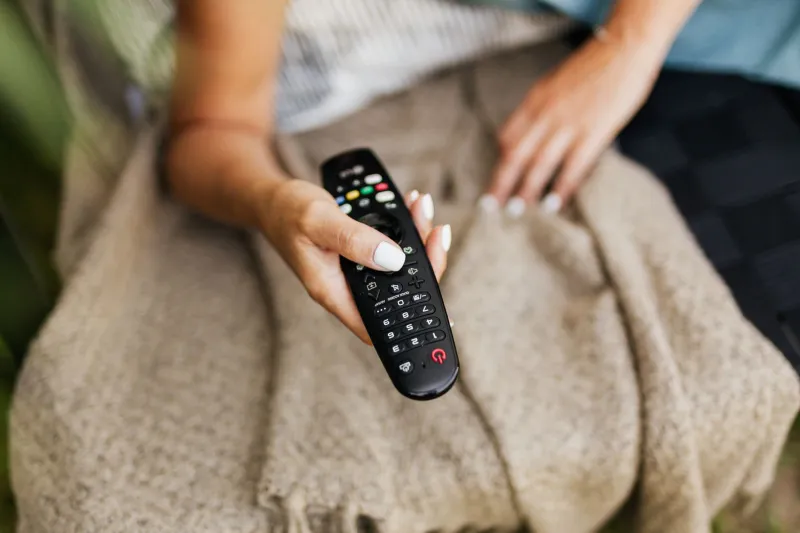
Let's be honest for a second. When a character you love dies on screen, something in your chest actually hurts. Not metaphorically — physically. You might tear up. You might sit with the remote in your hand, staring at the credits, genuinely processing grief. Meanwhile, your college roommate could text you right now and you'd probably leave it on read for three days.
That's not a personal failing. It's a feature of the streaming era, and it's happening to a whole lot of us.
The Brain Doesn't Really Know the Difference
Here's the uncomfortable truth that psychologists have been circling for years: your brain processes social connection in largely the same way whether the person is real or fictional. When you watch someone go through heartbreak, triumph, or embarrassment on screen, your mirror neurons fire. You feel it. Your body responds.
Parasocial relationships — the term researchers use for one-sided emotional bonds with media figures or characters — aren't new. People felt this way about soap opera characters decades ago. But streaming has turbocharged the whole thing in ways traditional TV never could.
Back when you watched a show once a week, you had six days of real life between episodes. You'd talk to actual humans, run errands, exist in the physical world. That breathing room kept fictional relationships in their lane. Now? You can spend twelve straight hours with the same characters, watching them fight, cry, fall in love, and hit rock bottom — all before Monday morning. The intimacy that used to build over years of weekly viewing now happens in a weekend.
Always Available, Always Familiar
Part of what makes streaming characters feel so close is something deceptively simple: they're always there. Open your app at 2 AM, and your favorite show is waiting. No scheduling conflicts. No bad moods. No canceled plans.
Real relationships require negotiation. People are tired, distracted, going through their own stuff. Fictional characters, on the other hand, exist entirely to be compelling and emotionally legible. Every scene is written to make you understand them. Every line of dialogue is crafted to reveal something meaningful. Real people rarely explain themselves that clearly.
When you combine constant availability with that level of emotional transparency, it creates a kind of relationship that feels almost frictionless — and frictionless feels good in a world that's genuinely exhausting.
The Intimacy Illusion
Binge-watching doesn't just speed up how fast you consume a story. It changes the texture of your relationship to it. Researchers at places like the University of Buffalo have found that people who feel lonely or socially excluded tend to turn to familiar TV shows for comfort — and come away feeling genuinely more connected afterward.
Which sounds sweet, until you zoom out. Because that comfort is real, but it's also a closed loop. The show gives you the feeling of connection without requiring anything back. You don't have to be vulnerable. You don't have to show up. You don't have to be imperfect in front of another person and hope they stick around.
Over time, that can quietly raise your baseline expectations for what relationships should feel like — effortless, always engaging, always emotionally available. Real people, by definition, can't compete with that.
What's Actually Getting Crowded Out
None of this means you're broken or antisocial for caring deeply about fictional people. Emotional investment in stories is one of the most fundamentally human things there is. Literature has always worked this way. The difference is scale and saturation.
When entertainment is always on — when there's always another episode, another character arc pulling at your attention — the time and emotional bandwidth you'd otherwise spend deepening real relationships gets quietly redirected. Not dramatically. Not all at once. Just gradually, episode by episode.
Some viewers are starting to notice this in themselves. A woman in her late twenties who described herself as a "chronic binger" put it plainly in an online thread: "I realized I knew more about the characters in my current show than I knew about my own sister's life. Like, genuinely more. That was a weird moment."
So What Do You Actually Do With This?
First, stop feeling guilty about it. Caring about fictional characters is not pathetic — it's proof that storytelling is doing its job. The problem isn't the feeling; it's what happens when that feeling becomes a substitute rather than a supplement.
A few things that actually help:
Notice the transfer. When you finish an episode and feel that warm, connected buzz — try redirecting some of it. Text someone. Make a plan. The emotional energy is real even if the source was fictional.
Watch with people sometimes. Shared viewing experiences are genuinely different from solo binging. When you're watching with someone else, you're building a real memory together. The show becomes a reference point in an actual relationship.
Let yourself be bored by real life occasionally. Real conversations meander. Real people are inconsistent. Sitting with that instead of immediately reaching for the remote is a low-key skill worth building.
At Piwi247, we're all about entertainment being woven into the fabric of your life — 24/7, on your terms. But the best version of that is one where the shows you love make your real life richer, not quieter. The characters you connect with on screen can absolutely teach you something about empathy, patience, and what you value in people.
Just maybe also text your friend back.