Screw the Algorithm: How Late-Night Viewers Are Taking Back Their Remote
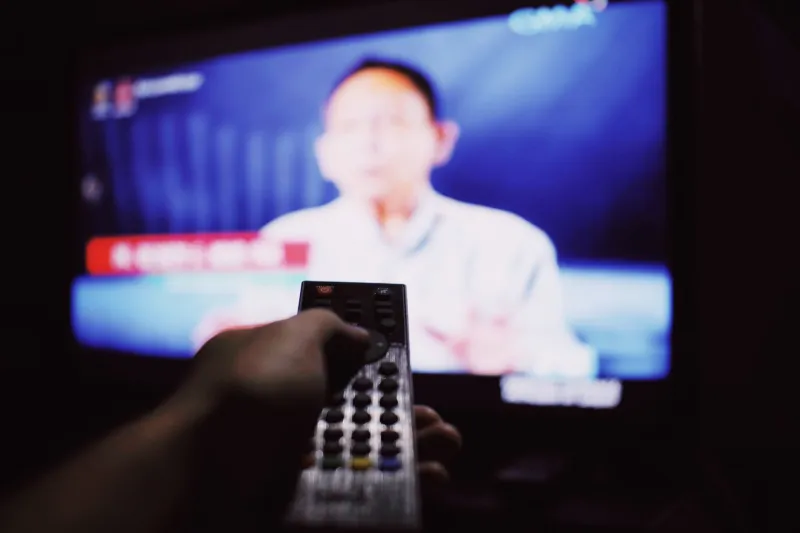
You know the moment. It's 11:47 PM, you're settled into the couch, and Netflix is practically begging you to finish that docuseries it knows you'll love. The progress bar is right there. The autoplay countdown has already started. Everything about the interface is nudging you toward the obvious choice.
So you open YouTube and watch three hours of a stranger restoring a vintage lawnmower.
Welcome to the algorithm rebellion — and it's happening in living rooms across America every single night.
The Recommendation Engine Gets Too Good at Its Job
Streaming platforms have spent the better part of a decade building recommendation systems so precise they border on unsettling. Netflix, Hulu, Disney+, Max — they all track what you watch, when you pause, what you rewind, and even what you hover over before deciding against it. The result is a homepage that feels less like a content library and more like a mirror.
And here's the thing about mirrors: after a while, you get tired of looking at yourself.
That's the core complaint emerging from a growing chunk of viewers, especially those doing their watching in the late-night hours. The algorithm, for all its technical brilliance, has started to feel like a trap. A comfortable, well-lit, highly personalized trap — but a trap nonetheless.
"It's like the app already decided what kind of person I am," one Reddit user wrote in a thread that racked up thousands of upvotes earlier this year. "I just want to watch something that surprises me for once."
Deliberately Making the 'Wrong' Choice
What's fascinating about this trend isn't just that people are ignoring recommendations — it's that they're actively choosing against them. This isn't passive channel surfing. It's intentional defiance.
People are digging through obscure genre categories they'd never normally touch. They're watching movies they've already mentally filed under "not for me." They're picking the random foreign film with 200 reviews instead of the prestige drama with 98% on Rotten Tomatoes that the algorithm has been pushing for six weeks straight.
Some folks are going full analog about it — pulling up a physical list of movies they wrote down years ago, or asking a friend for a recommendation specifically because that friend has terrible taste. The worse the pitch, the better.
Psychologists have a name for the satisfaction this produces: it's tied to a concept called reactance, the very human urge to push back when you feel your freedom is being constrained. When the algorithm gets too confident, too insistent, something in our brain flips a switch. Suddenly the "recommended for you" label feels less like a helpful suggestion and more like an assignment.
And nobody wants homework at midnight.
The Weird Joy of Watching Something You Weren't 'Supposed' To
There's a specific kind of pleasure in watching something that has no business being on your screen. Maybe it's a campy '80s horror movie you'd never admit to in daylight. Maybe it's a cooking competition from a country you've never visited, dubbed in English, featuring dishes you've never heard of. Maybe it's just the dumbest action movie on the platform — the one with the 34% critic score that you enjoy precisely because it has a 34% critic score.
This kind of viewing isn't accidental. It's almost ceremonial. Late-night hours have always carried a different psychological weight — there's less judgment, real or imagined, and a stronger sense of personal freedom. When the rest of the world is asleep, the choices you make feel like they belong to you in a way that afternoon viewing just doesn't.
That's exactly why the algorithm rebellion tends to peak after 10 PM. The platform thinks it knows you. But the 11 PM version of you has other ideas.
What This Says About Streaming Culture Right Now
The backlash against recommendation engines is part of a bigger conversation happening across digital culture. People are getting increasingly aware — and increasingly annoyed — by how much of their online experience is curated by systems designed to maximize engagement rather than genuine satisfaction.
Streaming autoplay is the most visible version of this. But it shows up everywhere: the Spotify Daily Mix that's stopped surprising you, the TikTok For You page that's started to feel claustrophobic, the Amazon homepage that only shows you things adjacent to what you already bought.
At some point, personalization stops feeling like a service and starts feeling like a cage. The algorithm optimizes for your past self — the version of you reflected in six months of watch history. But people change, tastes shift, and there's a real hunger to encounter something that exists outside the data profile.
Some platforms are starting to notice. Features like "Surprise Me" buttons and randomized recommendation modes have appeared on a handful of services over the past couple of years, essentially building a formalized escape hatch from the very systems those platforms built. It's a weird admission: we know our recommendations can feel suffocating, here's a button to pretend they don't exist.
The Late-Night Loophole
For the people actually living this rebellion, the late-night window has become the loophole. It's the time when the social pressure to watch smart content — the prestige drama everyone's talking about, the documentary that's winning awards — loosens up enough to do something genuinely unexpected.
Some viewers have started keeping literal lists: movies or shows they would never watch based on their usual taste, saved specifically for nights when they want to feel like a different person for two hours. Others have set up secondary profiles on their streaming accounts specifically to "contaminate" their recommendations — a kind of algorithmic sabotage that forces the system to recalibrate.
It sounds extreme. But there's something kind of liberating about it.
You're Not the Algorithm's Target Anymore
Here's the thing nobody at a streaming platform wants to say out loud: the recommendation engine isn't really built for you. It's built for the statistical version of you — the aggregate of your behavioral data, cross-referenced with millions of other users who clicked similar things. It's a best guess. A very sophisticated, very expensive best guess.
And best guesses are wrong sometimes. More importantly, best guesses are boring sometimes.
The people pushing back against algorithmic curation aren't anti-technology. They're not nostalgic for the days of flipping through cable channels hoping something good would show up. They just want the experience of choosing for themselves — of being surprised, of making a genuinely weird call at 12:30 AM and finding out it was the best decision they made all day.
At Piwi247, we're here for every corner of the entertainment experience — including the chaotic, algorithm-defying, deliberately questionable viewing choices that happen when nobody's watching. Especially those.
The remote is yours. Use it weird.