Fifteen Seconds of Identity: What We Lose Every Time We Tap 'Skip Intro'
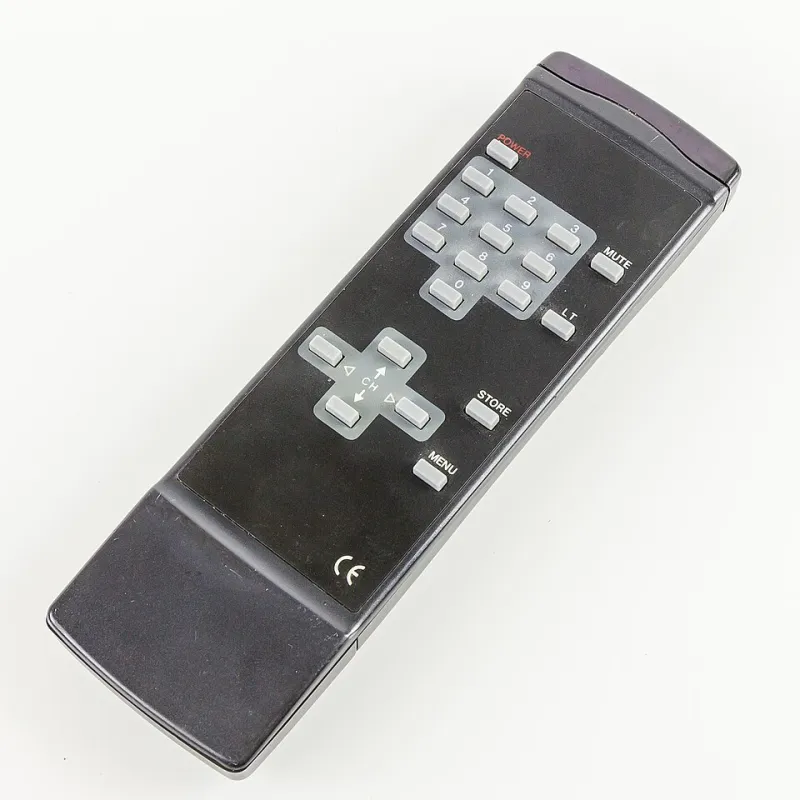
Photo: Raimond Spekking, CC BY-SA 4.0, via Wikimedia Commons
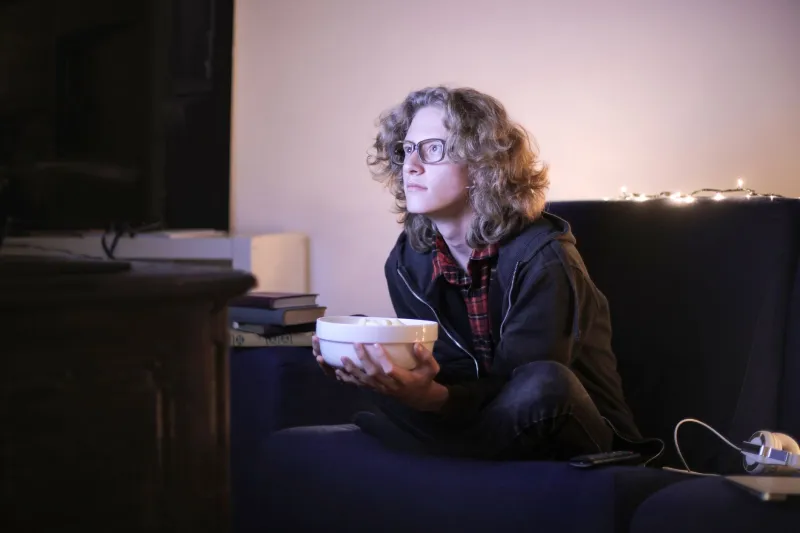
There was a stretch of television history when the theme song did more work than half the cast. You didn't just watch Cheers — you clapped along to it. You didn't just watch The Fresh Prince — you knew every word of how his life got flipped, turned upside down, and you performed it at karaoke. The opening credits were the handshake between the show and the person on the couch, and that handshake happened thirty, sixty, sometimes ninety seconds at a time, every single week.
In 2026, that handshake lasts about as long as it takes your thumb to find the button.
The skip button did exactly what it was built to do
Let's be fair to the technology. Skip Intro was never a sinister plot. It was a small mercy for the person bingeing six episodes on a Tuesday night, and it solved a real problem: the same ninety seconds, repeated, becomes friction. Auto-play solved the next problem. Before long, the default experience of watching a series became a seamless ribbon of story with no seams at all — no credits, no gaps, no moment where the show stops and says, "Hi. We're back."
That's an engineering triumph. It's also a cultural subtraction, and nobody sent out a memo.
Because here's what a theme song actually was: free marketing that people sang voluntarily. A mood-setter that told you what kind of show you were about to watch before a single line of dialogue landed. A tiny ritual that separated the world you lived in from the world you were about to visit. The Sopranos driving through the Turnpike. Succession's piano sneaking up on you. Stranger Things hitting that synth and instantly transporting you to 1983. Those weren't filler. They were the front door.
What we optimized away
When a streamer measures success in minutes watched and episodes finished, the theme song looks like dead weight — fifteen to sixty seconds of content that isn't plot, isn't a cliffhanger, and isn't the thing subscribers cite when they cancel. So it gets trimmed, or buried under a cold open, or replaced by a two-note logo sting that exists mostly so the sound doesn't go fully silent.
And the loss compounds in ways that are hard to measure. Think about how you remember shows from your childhood versus shows you finished last month. The older ones come with a soundtrack you can hum. The newer ones come with a plot summary and a vague sense that you enjoyed them. Theme songs were memory glue. We replaced glue with efficiency and then wondered why nothing sticks.
The quiet resistance
Here's the genuinely encouraging part: somebody in the industry noticed.
A handful of 2026 releases have been treating the opening sequence as an event again — full-length, unskippable-by-design title work that changes slightly episode to episode, so skipping it means missing something. Not gimmicks exactly, more like a flex. The message to viewers is basically: this is part of the show, and we'd like you to meet it.
Meanwhile, the biggest nostalgia engine in streaming right now is old shows whose intros people deliberately don't skip. Search the internet for long enough and you'll find entire comment sections of people watching forty-year-old openings at full volume, at 1 a.m., on purpose. That's not nostalgia for the song. That's nostalgia for the feeling of being welcomed in.
Skip responsibly
I'm not going to pretend I never tap that button. Six episodes deep on a weeknight, I'm skipping with the rest of you. But there's a difference between skipping a theme song because you've heard it forty times and skipping it because a piece of software decided it was in the way before you ever got the chance to decide for yourself.
So here's the low-effort version of taking a stand: let the first one play. Every new series, every rewatch after a long break, every season premiere. Fifteen seconds. That's it. You'll know within two episodes whether it's worth keeping, and if it is, you've got a small ritual back in your life that costs you nothing and makes the show feel like a place instead of a file.
The skip button isn't going anywhere. But neither, apparently, is the impulse to sing along — and that's the part worth protecting.