More Shows, Less Joy: The Dark Side of Having Literally Everything to Watch
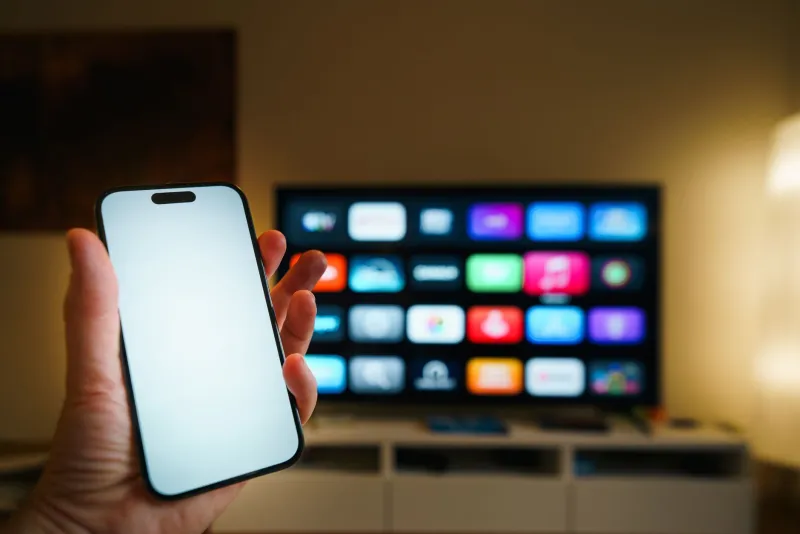
Remember when Friday night meant flipping through maybe 40 channels, landing on something decent, and just... watching it? No second-guessing. No backup tabs open. No 20-minute scroll before giving up and rewatching The Office for the fifth time.
That version of TV-watching felt effortless in a way that modern streaming almost never does. And that's not a coincidence.
We're living in the golden age of content — or so we keep being told. Hundreds of streaming platforms. Tens of thousands of titles. New shows dropping every single week. By every measurable standard, we have more. But somehow, a lot of us are enjoying it less. That tension is worth unpacking.
The Science Has a Name for This Feeling
Psychologist Barry Schwartz coined the term "paradox of choice" back in 2004, and while he wasn't talking about streaming specifically, he might as well have been predicting it. His research found that the more options people are given, the harder it becomes to make a satisfying decision — and the more likely they are to feel regret about whatever they pick.
Apply that to a streaming library with 80,000 pieces of content and you've got a recipe for what a lot of viewers are quietly experiencing: a low-grade, nagging dissatisfaction that kicks in the moment you open an app.
You browse. You read descriptions. You watch trailers. You add things to a list you'll never actually revisit. And then, somewhere around minute 18 of not picking anything, your brain short-circuits and you either default to something familiar or just close the app entirely.
That's not laziness. That's your brain doing exactly what it's wired to do when overwhelmed.
FOMO Fatigue Is a Real Thing
On top of decision paralysis, there's another layer making this worse: the constant cultural pressure to have seen the thing. When a new show explodes on social media — and in the always-on era, something is always exploding — there's an invisible clock that starts ticking.
You haven't watched that yet? It's been three days. What are you even doing?
This is FOMO fatigue, and it's different from regular fear of missing out. It's the exhaustion that comes from feeling perpetually behind on a content cycle that literally never stops. Platforms like Piwi247 are built for audiences who want to stay plugged in around the clock — and that's genuinely great for discovery and live programming. But the flip side is that the content calendar doesn't pause to let you catch your breath.
The result? Watching starts to feel like homework. You're not tuning in because you're excited — you're tuning in because you feel like you should.
Why Scarcity Used to Work in Our Favor
Here's the part nobody wants to admit out loud: the old model of television — scheduled programming, limited options, must-watch appointment TV — actually worked psychologically in ways we've thrown away.
When a show aired once a week, you had time to sit with it. You'd call your friend after the episode. You'd debate it at work. The scarcity of the experience gave it weight. You couldn't just binge-watch your way to the ending; you had to live with the story for months.
And because you only had so many channels, the decision of what to watch was made for you, at least partially. That removed the cognitive load. You weren't choosing from 15,000 options — you were choosing between whatever was on CBS, NBC, and Fox at 9 PM.
Nostalgia for that era isn't just old people being cranky. It's a genuine psychological response to a system that, for all its limitations, was easier on the human brain.
What Happens When Everything Is Available All the Time
Infinite availability does something else sneaky: it makes individual pieces of content feel disposable. When a show is one of 50 things you could watch tonight, it's harder to feel like it matters. The ritual is gone.
Compare that to the experience of waiting for a movie to come out in theaters, driving to the cinema, paying for popcorn, and sitting in a dark room with strangers. That whole process built anticipation. It told your brain: this is a special event. The movie didn't have to be great to feel meaningful.
Streaming collapsed that ritual almost entirely. And while convenience is obviously a win, something got lost in the trade.
What Smart Viewers Are Actually Doing About It
The good news is that people are figuring out workarounds, and some of them are surprisingly effective.
Artificial constraints. A growing number of viewers are deliberately limiting their options. They'll subscribe to one platform at a time, cancel it after a month, then move on. They're recreating scarcity on purpose — and reporting that they enjoy what they watch more as a result.
Curated queues over open browsing. Instead of opening an app and scrolling, they build their watchlist ahead of time — during the day, when they're not in the mood to watch — and then just execute the plan at night. This removes the decision from the moment of consumption entirely.
Social accountability. Watch clubs, group chats, and shared viewing schedules are making a comeback. When someone else is watching the same thing at the same time, the experience gets anchored in community. It stops being a solo, passive activity and becomes something shared.
Embracing reruns without guilt. This one's underrated. Rewatching a show you already love isn't a failure to take advantage of your subscription. It's actually a sign of healthy viewing. Familiar content is cognitively easier, emotionally comforting, and often more enjoyable precisely because you're not trying to absorb new information.
Finding the On-Ramp Back to Actual Enjoyment
The streaming era isn't going anywhere, and honestly, why would we want it to? Access to incredible content from around the world, live events, documentaries, indie films that never would've found an audience in the old model — that's all genuinely great.
But abundance without intention is just noise. And the viewers who seem to be getting the most out of this era are the ones who've stopped treating their entertainment like an all-you-can-eat buffet and started treating it more like a dinner reservation.
You don't need to watch everything. You don't need to be caught up. You don't need to have seen the show everyone's talking about this week — because next week there'll be another one, and the week after that, another.
The goal was always just to enjoy the thing you're watching. Somewhere between the algorithm and the endless scroll, a lot of us forgot that.
Maybe the most radical thing a viewer can do right now is simply pick something, sit down, and actually let themselves watch it.