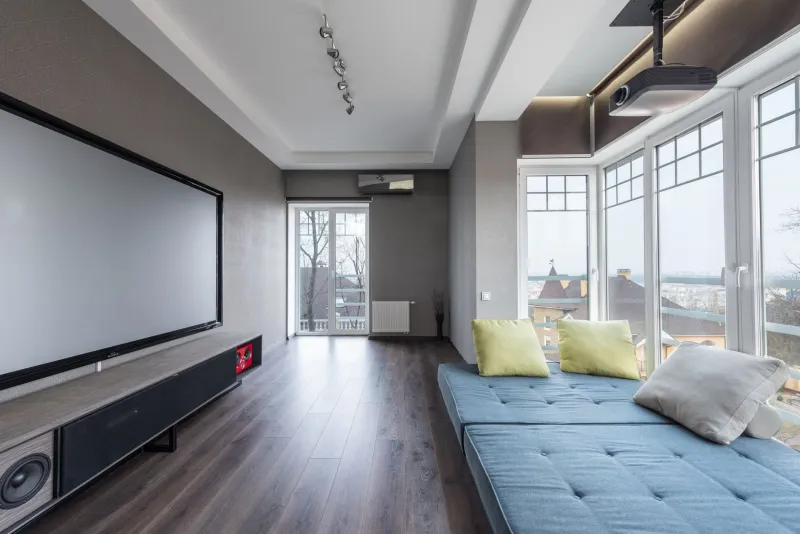
Graveyard Shift, Prime Time: How Night Workers Are Quietly Taking Over Streaming
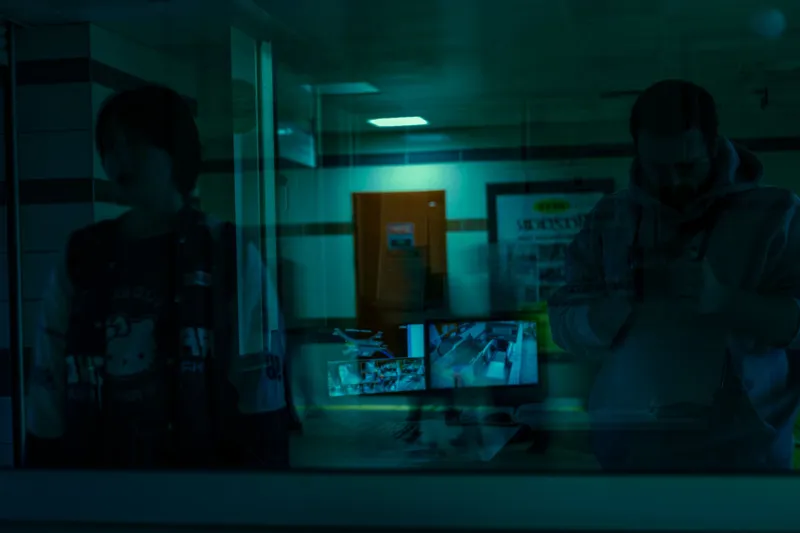
It's 3 a.m. on a Tuesday. Most of America is deep in REM sleep, but somewhere in a hospital break room in Cleveland, a security booth outside a Dallas data center, and a UPS facility on the outskirts of Chicago, millions of people are very much awake — and they're watching. A lot.
The rise of what some are calling "shift-watching" is one of the most fascinating and underreported stories in entertainment right now. Night shift workers, weekend warriors, and anyone grinding through non-traditional schedules have quietly become one of streaming's most loyal and voracious audiences. And platforms that figure out how to serve them are sitting on a goldmine.
Who's Actually Up at 3 A.M.?
Let's put some real numbers behind this. According to the Bureau of Labor Statistics, roughly 15 million Americans work evening or overnight shifts on a regular basis. That's nurses, EMTs, factory workers, long-haul truckers, hotel staff, call center reps, and a whole lot more. These aren't fringe cases — they're a significant slice of the American workforce.
And here's the thing: when your shift ends at 7 a.m. and you're winding down at 9, the last thing you want to do is dive into content that was designed for someone settling in after a 9-to-5. You're not catching the Sunday night HBO drop with everyone else. You're not live-tweeting the season finale in real time. Your "prime time" looks completely different.
For this audience, entertainment has always been a little bit of a solo sport — rewinding through missed live events, binge-watching shows that dropped days ago, and finding community in comment sections rather than real-time watch parties.
Platforms Are Starting to Wake Up
For years, streaming services built their entire release strategy around a pretty narrow idea of the American viewer: someone who comes home, eats dinner, and settles onto the couch somewhere between 7 and 10 p.m. New episodes dropped on Thursday nights. Live events kicked off at 8 p.m. Eastern. The whole ecosystem was engineered for a schedule that a huge chunk of the workforce simply doesn't keep.
But that's starting to shift — no pun intended.
Some platforms have begun experimenting with staggered content drops, releasing new episodes or specials at midnight rather than the traditional evening window. Others are leaning into on-demand live replays — essentially letting viewers catch up on "live" programming with all the energy and interactivity of the original broadcast, just on a delay. It's not a perfect solution, but it's a meaningful acknowledgment that the audience isn't monolithic.
Social features are evolving too. Watch party tools that used to be built around synchronized real-time viewing are getting asynchronous upgrades, letting people join the conversation whether they're watching at 11 p.m. or 4 a.m. Discord servers dedicated to specific shows now have dedicated late-night channels. Reddit communities for popular series see some of their most active discussion threads posted between midnight and 6 a.m. — not because people are posting from different time zones, but because that's just when a significant portion of the fanbase is awake.
The Content That's Winning the Night
Not all content is created equal when you're watching in a break room or a truck cab. Shift-watchers have developed some pretty specific taste patterns, and the data is starting to reflect it.
True crime and documentary content absolutely dominates late-night streaming. There's something about the quiet, slightly eerie hours of the early morning that makes a gripping docu-series feel even more immersive. Shows like Unsolved Mysteries and various crime docs on Netflix and HBO Max consistently show spikes in viewership during overnight hours.
Comfort rewatches are another massive category. When you're tired and your brain is running at half speed, you're probably not starting a complex new drama that requires your full attention. You're going back to The Office, Parks and Rec, Bob's Burgers, or whatever your personal comfort show is. These older catalog titles get a second life from shift-watching audiences who cycle through them on repeat.
Live sports and sports replays are also huge. The NFL, NBA, and MLB all have games that stretch into late-night territory on the East Coast, and those broadcasts pull strong numbers from workers who are catching up on a game they missed or watching a West Coast matchup in real time.
Community Is the Missing Piece
Here's what platforms haven't fully cracked yet: community for the off-hours crowd. The social layer of streaming — the shared experience, the live reactions, the memes that flood your timeline the second a plot twist lands — is almost entirely built around the assumption that everyone's watching at the same time.
Shift-watchers often describe a feeling of being perpetually behind, of experiencing the cultural moment in a kind of time-delayed echo. By the time they watch the episode everyone was talking about, the conversation has already moved on. The spoilers are everywhere. The memes are old.
Some communities are organically solving this. Subreddits that enforce strict spoiler tagging windows have become havens for off-schedule viewers. Fan Discord servers with dedicated "late arrivals" channels let people have the first-watch experience without getting spoiled. A few ambitious creators have even started hosting secondary watch parties — scheduled 24 or 48 hours after the main event — specifically for folks who couldn't make the original time.
This is exactly the kind of always-on thinking that the entertainment world needs more of. Because the truth is, for a platform like Piwi247 that lives and breathes 24/7 entertainment, the night shift audience isn't an afterthought — they're the whole point.
What Comes Next
As streaming competition gets fiercer and platforms scramble to differentiate themselves, the services that invest in truly 24/7 infrastructure — content drops timed for multiple audience windows, community tools that don't penalize off-peak viewers, and programming that speaks directly to the night-owl lifestyle — are going to have a real edge.
The graveyard shift crowd is loyal, engaged, and hungry for content that treats them like first-class viewers rather than an afterthought. They've been showing up for years. It's time the industry showed up for them.
After all, someone's always awake. Might as well give them something worth watching.