Too Much of Everything Is Nothing: The Streaming Trap Nobody Talks About
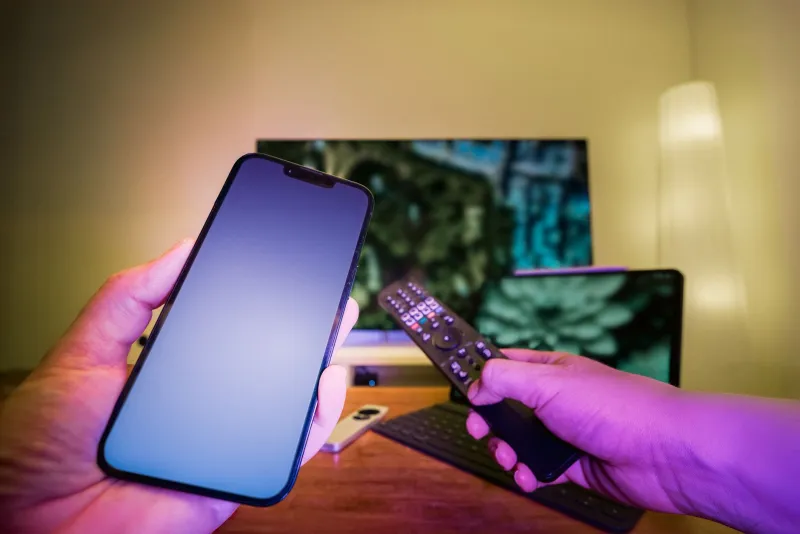
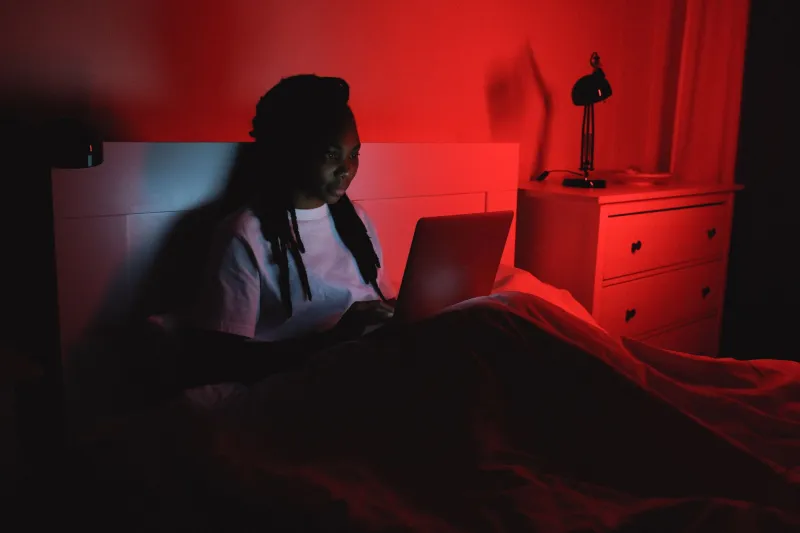
Here's a scene that probably sounds familiar. You've got a free Friday night, the couch is calling, and you've got Netflix, Hulu, Max, Disney+, and Peacock all queued up and ready to go. You spend the first 20 minutes scrolling. Then another 10. You watch three trailers, abandon two mid-preview, and eventually land on something you've already seen because at least you know it's good. Forty-five minutes later, you're not even really watching — you're on your phone, half-checked out, vaguely dissatisfied.
Welcome to the binge paradox. The more content you have access to, the less satisfied you actually feel.
We live in a genuinely remarkable era for entertainment. Piwi247 is built around the idea of always-on access — and that's real, it's powerful, and it's not going anywhere. But even the most enthusiastic streaming advocate has to reckon with a quiet truth: abundance without intention isn't entertainment. It's noise.
Your Brain on Infinite Choice
Psychologists have a name for what happens when options multiply beyond a manageable range: choice overload. Barry Schwartz wrote a whole book about it — The Paradox of Choice — back in 2004, long before anyone had heard of a streaming war. His core argument was simple: more options don't make us happier. They make us anxious, indecisive, and more likely to feel regret about whatever we do pick.
Apply that to a streaming library with 10,000 titles and you've got a recipe for paralysis. Every time you choose Succession, you're also not choosing the 9,999 other things you could be watching. That nagging sense of missed opportunity — what researchers call the "opportunity cost" of a decision — quietly chips away at your enjoyment even when you're watching something genuinely great.
And the platforms know this. Recommendation algorithms aren't designed to help you find the best thing for you. They're designed to keep you engaged with the platform as long as possible. Those are two very different goals.
The Satisfaction Gap Nobody's Measuring
Streaming services track everything — completion rates, rewatch numbers, pause points, skip-intro habits. What they don't track is whether you actually felt something. Whether a show made you laugh out loud, or kept you thinking about a character three days later, or gave you something to call your friend about.
That kind of deep, memorable entertainment experience is becoming rarer, not because the content is worse, but because we're consuming it differently. Bingeing an entire season in a weekend feels productive. It hits the same completion-brain that makes people power through to-do lists. But entertainment was never supposed to be a task to finish. It was supposed to be an experience worth having.
There's a real difference between watching twelve episodes in a sitting and actually watching twelve episodes. One is consumption. The other is engagement. We've gotten very good at the first one and pretty bad at the second.
The Always-On Mentality Has a Blind Spot
The Piwi247 model — content available any time, for any mood, in any format — is genuinely useful. Night shift worker who gets home at 6 AM? There's something for you. Insomniac who needs background noise at 2 AM on a Tuesday? Covered. The always-on framework respects that entertainment doesn't follow a 9-to-5 schedule.
But "always on" as a consumption habit is a different animal entirely. When the TV is never really off, when you're never sitting in silence between things, when every commute and lunch break and spare five minutes is filled with a podcast or a show or a YouTube rabbit hole — you lose the contrast that makes entertainment feel special.
Downtime isn't dead time. It's actually when your brain processes and appreciates the stuff you've been watching. Cutting it out entirely is a bit like eating constantly and wondering why nothing tastes good anymore.
A Framework for Watching With Intention
None of this means you should cancel your subscriptions and go back to three channels and a TV Guide. The goal isn't less content — it's smarter engagement with the content you have. Here's a practical way to think about it:
Pick before you sit down. Decide what you're watching before you open the app. Spend your browsing time earlier in the day, when the stakes feel lower, and commit to a choice before you're already on the couch with snacks in hand. Decision fatigue hits harder when you're already tired.
Give shows a fair runway, then cut them loose. The sunk-cost fallacy is real in streaming. You don't have to finish something just because you started it — but you also shouldn't bail after one episode of something genuinely ambitious. Two or three episodes is usually enough to know whether something is worth your time.
Leave space between binges. Finishing a great show and immediately starting another one is the streaming equivalent of eating dessert while you're still chewing dinner. Let something land. Talk about it. Think about it. The shows that stick with you are almost always the ones you gave room to breathe.
Treat your watchlist like a reservation, not a backlog. A 200-title watchlist isn't a gift to your future self — it's anxiety stored for later. Keep it short, keep it intentional, and don't feel guilty about deleting things you added in a different mood.
Watching Less to Feel More
The irony of the streaming era is that access has never been easier, but genuine entertainment satisfaction — the kind where you finish something and feel genuinely good about how you spent your time — is actually getting harder to come by. That's not a streaming platform problem. It's a habits problem.
Piwi247 is always here when you need it. The content isn't going anywhere. The real flex isn't watching everything — it's being selective enough to actually enjoy what you watch. In a world of infinite options, intention is the rarest thing you can bring to the couch.
Turn something on. Just make sure it's something you actually chose.